Pay in installments of $5.11 with
 ,
,
 and
and

Shipping Estimate
USA
- USA
- CAN
- USA
- CAN
Ships within 48 hours · Estimated delivery Jun 28 - Jul 3
 Promo Codes Available:
For Your Every Summer RSVP, with Code: SUMMER15
Description
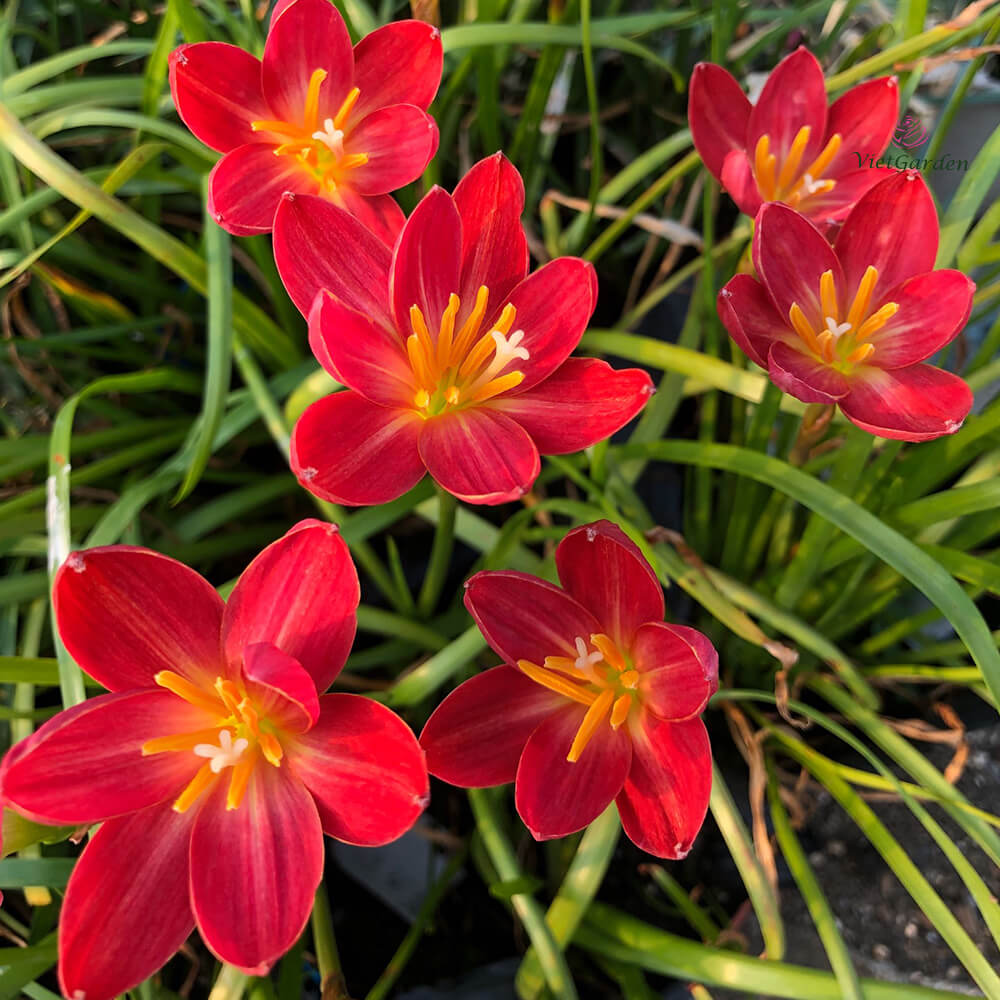
picture of rain lily flower Buy Rain Lily Maroon Blossom Bulbs – Bold Monsoon FlowersZephyranthes 'Maroon Blossom' Family Amaryllidaceae Origin South America Description Rain Lily is a hardy perennial , will form clumps to about 1 foot tall and wide of glossy, narrow green leaves. Brown & Yellow tubular flowers with six petals and yellow stamens, bloom on stems that are as tall as the foliage, will appear during rainy season or following an increase in moisture or humidity. Zephyranthes plants generally produce three upright petals
Zephyranthes 'Maroon Blossom'
Family
Amaryllidaceae
Origin
South America
Description
Rain Lily is a hardy perennial , will form clumps to about 1 foot tall and wide of glossy, narrow green leaves. Brown & Yellow tubular flowers with six petals and yellow stamens, bloom on stems that are as tall as the foliage, will appear during rainy season or following an increase in moisture or humidity.
Zephyranthes plants generally produce three upright petals and three identical sepals, ranging from narrow to broad. The foliage is grassy and bright green, and tends to have a prostrate habit: think of the narrow foliage of grape hyacinth bulbs, which is similar. An individual flower will only last a few days, with the heaviest flush of blooms occurring first. The bulbs may bloom occasionally throughout the rest of the season, especially after heavy rain.
Rain Lily ‘Maroon Blossom’ bulbs produce rich maroon flowers following monsoon rains, creating a bold effect in mixed garden beds. They bloom from June to September in plains and from July to October in hills. Plant bulbs between February and April in plains, or March to May in hill regions.
Environment
Zephyranthes will grow well in full sun to full shade, and do quite well in containers. Some dappled shade or afternoon shade is usually tolerated, especially in hot climates.
Rain lilies thrive in average to rich garden soil. The bulbs exhibit tolerance to a wide range of drainage situations, both boggy and sandy conditions.
While rain lilies can survive periods of drought, flowers will not appear until a summer soaking triggers the blooms. Daily irrigating & sprinkling the bulbs thoroughly will also prompt flowering.
Rain lilies are best suited for warm, humid environments. They do not need to be fertilized, but little spread of compost over the ground before they emerge in the spring can give more bloom.
Rain lilies grow well in pots. The tops of the bulbs should be covered by an inch of soil. Although generally planted 2–4 inches apart when in the ground, when grown in containers, rain lily bulbs can be placed closer together, as they prefer being crowded.
Landscape Use
This versatile plant can be used in mass plantings, in rock gardens, as a container plant or partially submerged in the water garden.
Shipping Notes
- Free Standard Shipping on $100+ Orders to the USA.
- Except Preorder products are shipped in 48 hours.
- Delivery to the USA:
- Standard Shipping : 3-10 business days
- If time is of the essence, please consider selecting expedited delivery for faster service.
Exchange/Return Notes
- We offer a 30-day return/exchange service after receiving.
- Final sale items are not eligible for returns or exchanges.
- To process your return/exchange, please contact us at [email protected]
- Please click here for more details>>> Return & Exchange Policy